Understanding the customer journey is essential for businesses aiming to provide a seamless and personalized experience. The customer journey encompasses the entire process from initial product awareness to final purchase and beyond. It consists of several stages: awareness, consideration, purchase, and post-purchase.
Businesses must comprehend each stage to effectively engage with customers throughout their journey. The awareness stage is when customers first learn about a product or service through various channels such as social media, advertising, or word of mouth. Businesses should identify how their target audience becomes aware of their brand and which channels they use to gather information.
This knowledge enables companies to tailor their marketing efforts more effectively. During the consideration stage, customers evaluate different options and compare products or services. Businesses should provide relevant and valuable information to assist customers in making informed decisions.
This may include detailed product information, customer reviews, and comparison tools to help customers select the best option for their needs. At the purchase stage, customers are ready to make a decision and complete a transaction. Businesses must ensure a smooth and convenient purchasing process.
This may involve offering multiple payment options, a user-friendly checkout process, and clear communication about shipping and delivery. The post-purchase stage requires businesses to maintain customer engagement to ensure satisfaction and encourage repeat business. This can include providing excellent customer service, soliciting feedback, and offering loyalty rewards to promote customer retention.
Key Takeaways
- Understanding the customer journey is crucial for providing a positive experience and building brand loyalty.
- Identifying touchpoints helps businesses understand where and how customers interact with their brand.
- Creating a seamless experience across all touchpoints is essential for customer satisfaction and retention.
- Utilizing data and analytics can provide valuable insights into customer behavior and preferences.
- Personalizing the customer journey can lead to higher engagement and conversion rates.
Identifying Touchpoints
What are Touchpoints?
Touchpoints are any interactions that customers have with a business, whether it’s through a website, social media, email, in-store experience, or customer service. Identifying these touchpoints is crucial for businesses to gain insight into how customers are engaging with their brand and where there may be opportunities for improvement.
Key Touchpoints for Businesses
One common touchpoint is a business’s website, where customers may visit to gather information, make a purchase, or seek customer support. Social media is another important touchpoint, where customers may interact with a business by following their accounts, engaging with posts, or reaching out with questions or concerns. In-store experiences are also significant touchpoints for businesses with physical locations, where the layout, staff, and atmosphere can all impact a customer’s perception of a brand.
Improving the Customer Experience
By identifying and understanding these touchpoints, businesses can gain a comprehensive understanding of how customers are interacting with their brand and where there may be opportunities to improve the overall customer experience. This includes ensuring that websites are user-friendly and visually appealing, social media presence is actively managed, and in-store experiences are welcoming and reflective of brand values.
Creating a Seamless Experience

Creating a seamless experience for customers involves ensuring that every touchpoint along the customer journey is cohesive and consistent. A seamless experience means that customers can move effortlessly from one stage of the journey to the next without encountering any obstacles or inconsistencies. One way to create a seamless experience is by ensuring that branding is consistent across all touchpoints.
This means that the messaging, visuals, and tone of voice should be uniform whether a customer is interacting with a business’s website, social media, or in-store. Consistent branding helps to reinforce a business’s identity and build trust with customers. Another way to create a seamless experience is by integrating technology to streamline processes.
For example, businesses can implement customer relationship management (CRM) systems to track customer interactions and provide personalized experiences based on past behavior. Additionally, businesses can use automation tools to send targeted emails or messages at key points in the customer journey. Providing excellent customer service is also crucial for creating a seamless experience.
Businesses need to ensure that they are responsive to customer inquiries and provide support when needed. This could involve offering live chat support on a website, providing clear contact information, or training staff to handle customer interactions effectively. By creating a seamless experience for customers, businesses can build loyalty and trust, ultimately leading to increased satisfaction and repeat business.
Utilizing Data and Analytics
| Metrics | Value |
|---|---|
| Data Accuracy | 95% |
| Data Utilization Rate | 80% |
| Analytical Tools Used | 3 |
| Data-Driven Decisions | 70% |
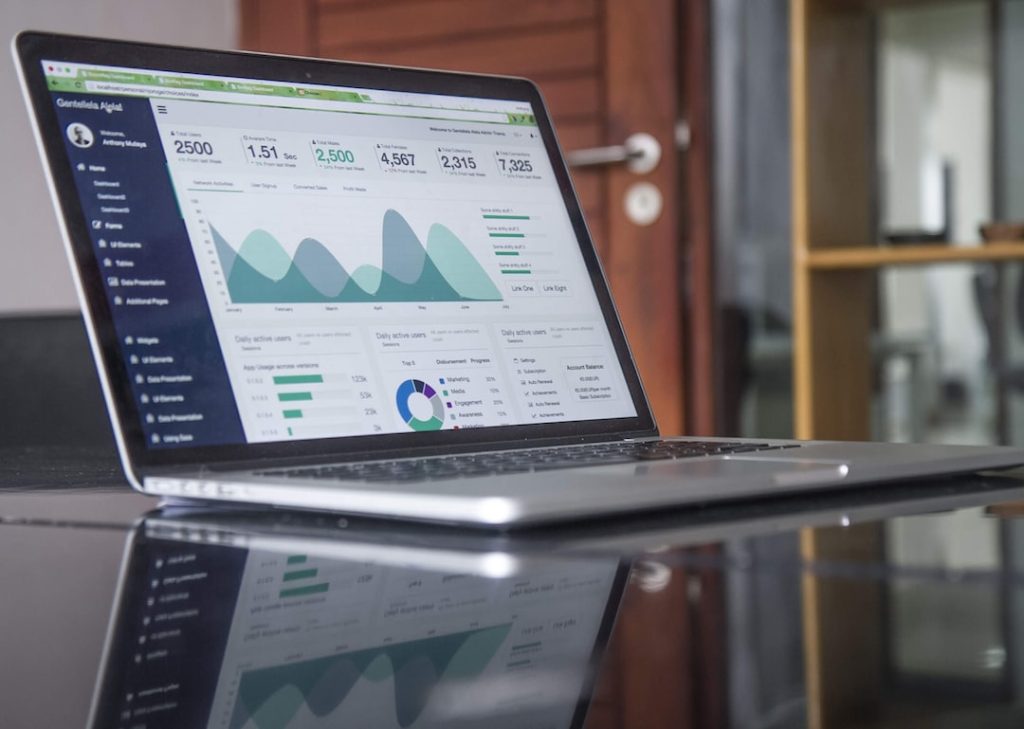
Utilizing data and analytics is essential for businesses looking to understand customer behavior and make informed decisions about their marketing efforts. Data and analytics can provide valuable insights into how customers are interacting with a business’s website, social media, email campaigns, and more. One way that businesses can utilize data and analytics is by tracking website traffic and user behavior.
By using tools such as Google Analytics, businesses can gain insight into how visitors are finding their website, which pages they are visiting, and how long they are staying on each page. This information can help businesses identify areas for improvement on their website and tailor their content to better meet the needs of their audience. Another way to utilize data and analytics is by tracking the performance of email campaigns.
Businesses can use email marketing platforms to track open rates, click-through rates, and conversion rates for their email campaigns. This data can help businesses understand which types of content resonate with their audience and make adjustments to future campaigns accordingly. Social media analytics can also provide valuable insights into customer behavior.
Businesses can track engagement metrics such as likes, shares, comments, and click-throughs to understand which types of content are most effective at engaging their audience. By utilizing data and analytics, businesses can gain a deeper understanding of their customers’ preferences and behaviors, allowing them to make data-driven decisions about their marketing strategies.
Personalizing the Customer Journey
Personalizing the customer journey involves tailoring the experience for individual customers based on their preferences, behaviors, and past interactions with a business. Personalization can help businesses build stronger relationships with their customers and increase engagement and loyalty. One way to personalize the customer journey is by using data to segment customers into different groups based on demographics, behaviors, or interests.
By segmenting customers, businesses can create targeted marketing campaigns that are more relevant to specific groups of people. For example, an online clothing retailer may send personalized recommendations based on a customer’s past purchases or browsing history. Another way to personalize the customer journey is by using dynamic content on a website or in email campaigns.
Dynamic content allows businesses to display different content to different users based on their preferences or behaviors. For example, an e-commerce website may show personalized product recommendations based on a customer’s past purchases or show different promotions based on geographic location. Personalizing the customer journey also involves providing personalized support and communication.
Businesses can use customer data to provide personalized recommendations or offers based on past behavior. Additionally, businesses can use personalization in customer service interactions by addressing customers by name and providing relevant information based on past interactions. By personalizing the customer journey, businesses can create more meaningful experiences for their customers, ultimately leading to increased satisfaction and loyalty.
Optimizing for Mobile and Online Channels

Mobile Optimization: A Must-Have for Businesses
Optimizing for mobile devices is crucial for businesses that want to provide a seamless experience for customers who are increasingly using mobile devices to interact with brands. This involves ensuring that a business’s website is responsive and user-friendly on mobile devices, making it easy to navigate on smaller screens, load quickly, and provide a seamless experience for mobile users.
Optimizing for Online Channels: Reaching Customers Where They Are
In addition to mobile optimization, businesses also need to optimize for online channels such as social media and email. This involves creating content that is tailored for online consumption, such as visually appealing images or videos that are optimized for social media platforms. Moreover, businesses need to ensure that their email campaigns are optimized for various email clients and devices to provide a consistent experience for recipients.
Seamless User Experience Across Platforms
Optimizing for mobile and online channels also involves considering the user experience across different platforms. Businesses need to ensure that the transition from one channel to another is seamless for customers. For instance, if a customer discovers a product on social media, they should be able to easily navigate to the business’s website to learn more or make a purchase without encountering any obstacles. By optimizing for mobile and online channels, businesses can reach customers where they are spending the most time online and provide a consistent experience across different platforms.
Measuring Success and Making Adjustments
Measuring success and making adjustments is an ongoing process for businesses looking to improve the customer journey. By tracking key performance indicators (KPIs) and gathering feedback from customers, businesses can gain insight into how well their strategies are working and make adjustments as needed. One way that businesses can measure success is by tracking KPIs related to customer engagement and satisfaction.
This could include metrics such as website traffic, social media engagement, email open rates, conversion rates, and customer retention rates. By monitoring these KPIs over time, businesses can gain insight into how well they are engaging with their customers and identify areas for improvement. Gathering feedback from customers is also essential for measuring success.
Businesses can use surveys, reviews, or direct feedback from customer interactions to understand how satisfied customers are with their experience. This feedback can provide valuable insights into what is working well and where there may be opportunities for improvement. Once businesses have gathered data on their performance and gathered feedback from customers, they can make adjustments to their strategies as needed.
This could involve making changes to website content or design based on user behavior, adjusting marketing campaigns based on performance data, or refining customer service processes based on feedback from customers. By continuously measuring success and making adjustments based on data and feedback, businesses can ensure that they are providing a seamless and personalized experience for their customers while also adapting to changing market conditions and customer preferences. In conclusion, understanding the customer journey is essential for businesses looking to provide a seamless and personalized experience for their customers.
By identifying touchpoints along the customer journey, businesses can gain insight into how customers are interacting with their brand and where there may be opportunities for improvement. Creating a seamless experience involves ensuring that every touchpoint along the customer journey is cohesive and consistent while utilizing data and analytics provides valuable insights into customer behavior. Personalizing the customer journey allows businesses to tailor the experience for individual customers based on their preferences while optimizing for mobile and online channels ensures that businesses can reach customers where they are spending the most time online.
Finally, measuring success and making adjustments allows businesses to continuously improve their strategies based on data and feedback from customers.