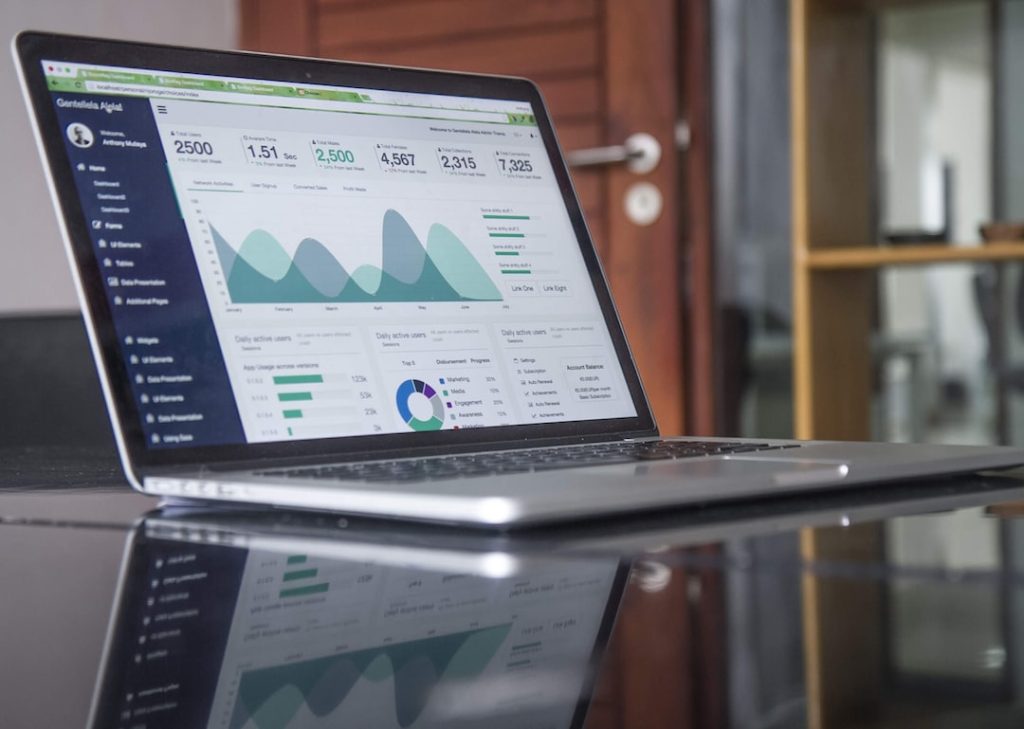
Website design plays a crucial role in search engine optimization (SEO). The way a website is designed can greatly impact its visibility and ranking on search engine results pages (SERPs). When designing a website, it is important to consider various factors that can affect its SEO performance. By optimizing the design of a website, businesses can improve their chances of ranking higher on search engines and attracting more organic traffic.
One of the main reasons why website design affects SEO is because search engines like Google prioritize user experience. They want to provide users with the most relevant and user-friendly websites in their search results. Therefore, websites that are well-designed and easy to navigate are more likely to rank higher on SERPs.
Key Takeaways
- Website design and SEO are closely related
- Ignoring mobile responsiveness is a big mistake
- Slow loading speeds can harm SEO
- Poor navigation and site structure can negatively impact SEO
- Overcomplicating design elements can hurt SEO efforts
Mistake #1: Ignoring Mobile Responsiveness
In today’s digital age, mobile responsiveness is crucial for SEO. With the increasing use of smartphones and tablets, more and more people are accessing websites through their mobile devices. If a website is not optimized for mobile devices, it can lead to a poor user experience and negatively impact its SEO performance.
To optimize website design for mobile devices, businesses should consider implementing responsive design. Responsive design ensures that a website adapts to different screen sizes and resolutions, providing users with an optimal viewing experience regardless of the device they are using. This not only improves user experience but also helps with SEO as Google considers mobile-friendliness as a ranking factor.
Mistake #2: Slow Loading Speeds
Slow loading speeds can have a significant impact on a website’s SEO performance. Users expect websites to load quickly, and if a website takes too long to load, they are likely to abandon it and look for alternatives. This can increase bounce rates and negatively affect a website’s rankings on search engines.
To improve website loading speeds, businesses should optimize their website’s code and reduce file sizes. This can be done by compressing images, minifying CSS and JavaScript files, and leveraging browser caching. Additionally, choosing a reliable hosting provider and using content delivery networks (CDNs) can also help improve loading speeds.
Mistake #3: Poor Navigation and Site Structure
Poor navigation and site structure can make it difficult for users to find the information they are looking for on a website. This can lead to a frustrating user experience and increase bounce rates. From an SEO perspective, search engines also rely on website navigation and site structure to understand the content and hierarchy of a website.
To optimize website navigation and site structure, businesses should ensure that their website has a clear and intuitive navigation menu. This menu should be easily accessible and provide users with a logical hierarchy of pages. Additionally, businesses should use breadcrumbs to help users navigate through the website and ensure that each page is properly linked to other relevant pages.
Mistake #4: Overcomplicating Design Elements
Overcomplicating design elements can negatively impact a website’s SEO performance. While visually appealing design elements may seem attractive, they can often slow down loading speeds and distract users from the main content of the website. This can lead to higher bounce rates and lower rankings on search engines.
To simplify website design elements, businesses should focus on clean and minimalistic designs. This not only improves loading speeds but also enhances user experience by making it easier for users to navigate through the website and find the information they are looking for. Additionally, businesses should avoid using excessive animations or large file sizes that can slow down loading speeds.
Mistake #5: Lack of Quality Content
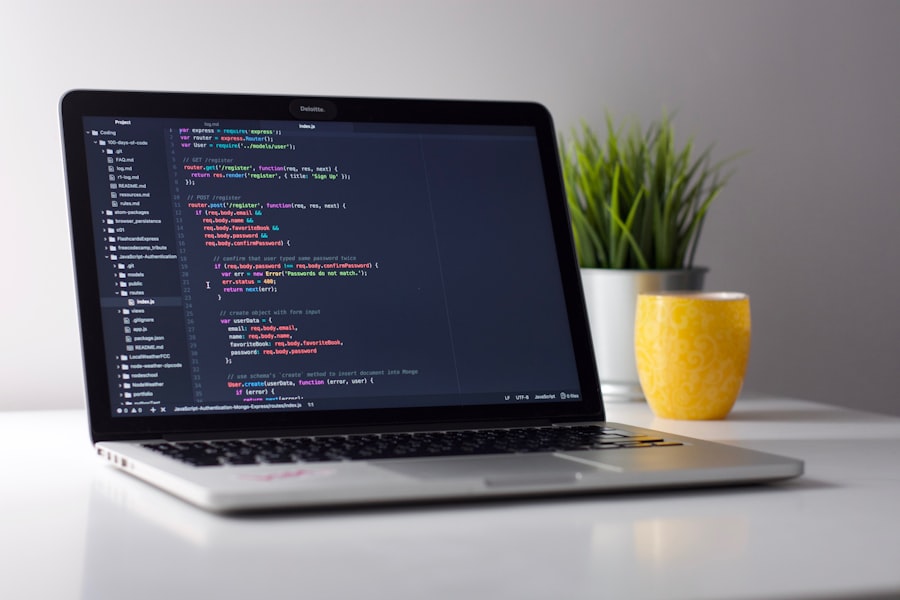
Quality content is essential for SEO success. Search engines like Google prioritize websites that provide valuable and relevant content to users. If a website lacks quality content, it is unlikely to rank well on search engine results pages.
To create high-quality content, businesses should focus on providing valuable information that is relevant to their target audience. This can be done through blog posts, articles, videos, or infographics. Additionally, businesses should ensure that their content is well-structured and optimized for relevant keywords. By creating high-quality content, businesses can improve their chances of ranking higher on search engines and attracting more organic traffic.
Mistake #6: Not Optimizing Images
Images play a crucial role in website design, but they can also impact SEO performance if not optimized properly. Large image file sizes can slow down loading speeds and negatively affect user experience. Additionally, search engines rely on alt tags to understand the content of images and index them appropriately.
To optimize images for better search engine rankings, businesses should compress image file sizes without compromising quality. This can be done through image compression tools or plugins. Additionally, businesses should use descriptive alt tags that accurately describe the content of the image. This helps search engines understand the context of the image and improves its chances of ranking higher on SERPs.
Mistake #7: Ignoring Meta Titles and Descriptions
Meta titles and descriptions are important elements of website design that can greatly impact SEO performance. Meta titles appear as the clickable headline on search engine results pages, while meta descriptions provide a brief summary of the page’s content. Ignoring or neglecting these elements can result in lower click-through rates and lower rankings on search engines.
To optimize meta titles and descriptions for better search engine rankings, businesses should ensure that they are relevant, concise, and include targeted keywords. Additionally, businesses should avoid duplicating meta titles and descriptions across multiple pages as this can confuse search engines and negatively impact SEO performance.
Mistake #8: Using Flash or Other Outdated Technologies
Using flash or other outdated technologies can have a negative impact on a website’s SEO performance. Flash is not supported by many mobile devices and can lead to compatibility issues. Additionally, flash-based websites are often slow to load and can negatively affect user experience.
To ensure better search engine rankings, businesses should use modern technologies such as HTML5 and CSS3. These technologies are supported by all modern browsers and mobile devices, ensuring a seamless user experience. Additionally, businesses should avoid using excessive JavaScript or other heavy scripts that can slow down loading speeds.
Implementing the Right Design Strategies for SEO Success
In conclusion, website design plays a crucial role in SEO success. By optimizing various aspects of website design, businesses can improve their chances of ranking higher on search engines and attracting more organic traffic. From mobile responsiveness to loading speeds, navigation, content quality, image optimization, meta titles and descriptions, and the use of modern technologies, businesses should implement the right design strategies to ensure SEO success. By prioritizing user experience and providing valuable content, businesses can create websites that not only rank well on search engines but also provide a positive experience for users.